




What is Predatory Drift?

from Go Dog Training

on Tuesday February 10th, 2009 at 03:34 AM -

  • Share on Facebook


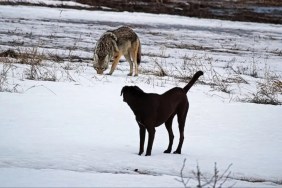
Predatory Drift is a sudden, and drastic change in a dog's demeanor that is characterized by behaviors associated with hunting small prey. 

The term is most often used to describe a medium to large dog who has suddenly and uncharacteristically targeted a smaller dog as prey (dinner).  

Predatory Drift is NOT Aggression, but it can mean injury or death for small dogs.


Predatory Drift happens when the larger dog's instinct to hunt are triggered. 

These instincts can be triggered when play escalates or gets too much like the real thing (an out of control chase game).  It can happen when a small dog gets scared or injured and squeals or wriggles in a way that makes them look like prey (dinner), Predatory Drift can happen just because thesize difference says, "You are comparatively bite-sized, or move like something that is bite-sized, and I am a canine predator." 


The most alarming fact about Predatory Drift is that it can happen even with well-behaved, well-socialized, playful dogs who play well and often with no aggression, and no fights. 

Dogs who are triggered into predatory drift, may or may not have ever been in a dog fight, and may or may not be generally well-behaved and obedient.  There is NO protection against predatory drift.  It is not a good dog/bad dog problem. 

Predatory Drift is not about how brave, strong, feisty, or fearless the small dog acts.  Predatory Drift is not about how well your medium or large, or extra large dog plays, listens to you, or how many times they have met, played with or been around a small dog.

Predatory Drift can even happen between two dogs that know each other well and have lived, played, and or known each other for years.  In the right situation, a sudden shift happens and the predatory sequence (like dominoes falling) is triggered and completed with lightening fast speed.

While it is not a problem seen every day, all it takes is the slightest trigger -an injury, a fight, a response to something startling or scary.  Predatory Drift is a SIZE MATTER! It usually involves a grab and shake, which instantly breaks the small dog's neck.  There is no time to react.  This in not a fight, it does not escalate.  There is a trigger and then it is over.


Read more...

Should dogs of different sizes be allowed to play together?

Are off-leash parks and fenced dog parks safe for your small dog?


patricia

i think a person can train his dog to prevent such an act. a friend of mine had a similar problem with his dog.

about 1 year ago by patricia

Jason

Calmassertive: I hear you. There are so many trainers who are just so quick to euthanize their dogs who do not comply with their positive reinforcement methods. I don't know if any of you have ever dealt with convicts, but it takes a little more than just the option of getting a "cookie" or not to help correct and redirect their behavior. It works the same way with dogs. We are all animals and all animals display the same types of behaviors (feeding, mating, socializing, etc), although each species has its own way of expressing them. When it comes behavior modification I think everyone can agree there is no one right way about it, but to give up and declare a dog a lost cause is only a measure of your own failure and I blame your pride which prevents you from finding an alternative. Positive reinforcement has it's time and place especially if you have a secure trusting and respecting relationship with your happy-go-lucky dog, but I don't think I have ever seen a dog respectfully take a treat who was nervous, over-excited, fearful, tense, insecure, dominant, territorial, obsessive, or possessive. If your dog displays any of these behaviors I seriously doubt you would be able to help your dog to recover from whatever trauma it experienced (they aren't born that way I assure you) using only positive reinforcement in a realistic and timely manner. With a properly experienced and informed handler, ALL behaviors can be controlled and redirected. Just because it happens quickly DOES NOT mean there is no time to react. If you do not react in time it is because of your irresponsibility as a dog owner for not understanding your dogs warning signs and behavior threshold. However, timing is everything and if you cannot control your dog's impulses and their response to stimuli, you should probably get another dog or reevaluate whether or not you are capable of taking on the true responsibility of owning a dog. ihartgonzo: "realize that not all of us wish to shut down our dogs to the point that they barely function anymore and have no will of their own... sorry, that's not for me! I like having happy, outgoing, adventurous dogs who love life. : ) That is why I have dogs, because I love their spirit and their company, not because I want a robot to control." What you may interpret as "happy, outgoing, adventerous dogs" are probably being misunderstood and are more likely anxious, over-excited, and dominant. ihartgonzo is your classic case of your everyday ignorant and misinformed dog owner who does understand the full responsibility of being a dog owner and what providing for what the dog really needs and not what you think it needs/wants. Ceaser's dogs truly are happy, so happy in fact that they drained all of their excess energy through exercise and they just kick back and relax and enjoy one anothers company in a calm peaceful atmosphere.

about 1 year ago by Jason

Jason

Calmassertive: I hear you. There are so many trainers who are just so quick to euthanize their dogs who do not comply with their positive reinforcement methods. I don't know if any of you have ever dealt with convicts

about 1 year ago by Jason

smesmer

I post regularly on my website about-small-dogs.com about aggression, specifically in small dogs. Your post is fascinating, and I find your term very apt. I do think it's possible for the drift to occur with no direct triggers, but my observation is that usually there is a trigger and it comes from the small dog rather than the large one. I have been breeding and showing Silky Terriers for the last 30 years. I feel that Silkys have the most (foolhardy) courage in any breed per square inch. I have watched them try to trigger big dogs to aggression. There is usually a moment of stunned surprise when the big dog is saying "What the ....???" That is the moment to snatch up the offender -- before the big dog has a chance to come to his senses. Silkys for example should never go to dog parks, period. They are just too dog aggressive. And small and large dogs should never ever mix at a dog park. That's just a horrible accident waiting to happen. Thanks again for a great post.

almost 2 years ago by smesmer

Welcome to DogTime.com

DOGTIME LOGIN or SIGN UP

AD
AD